Luxor
Luxor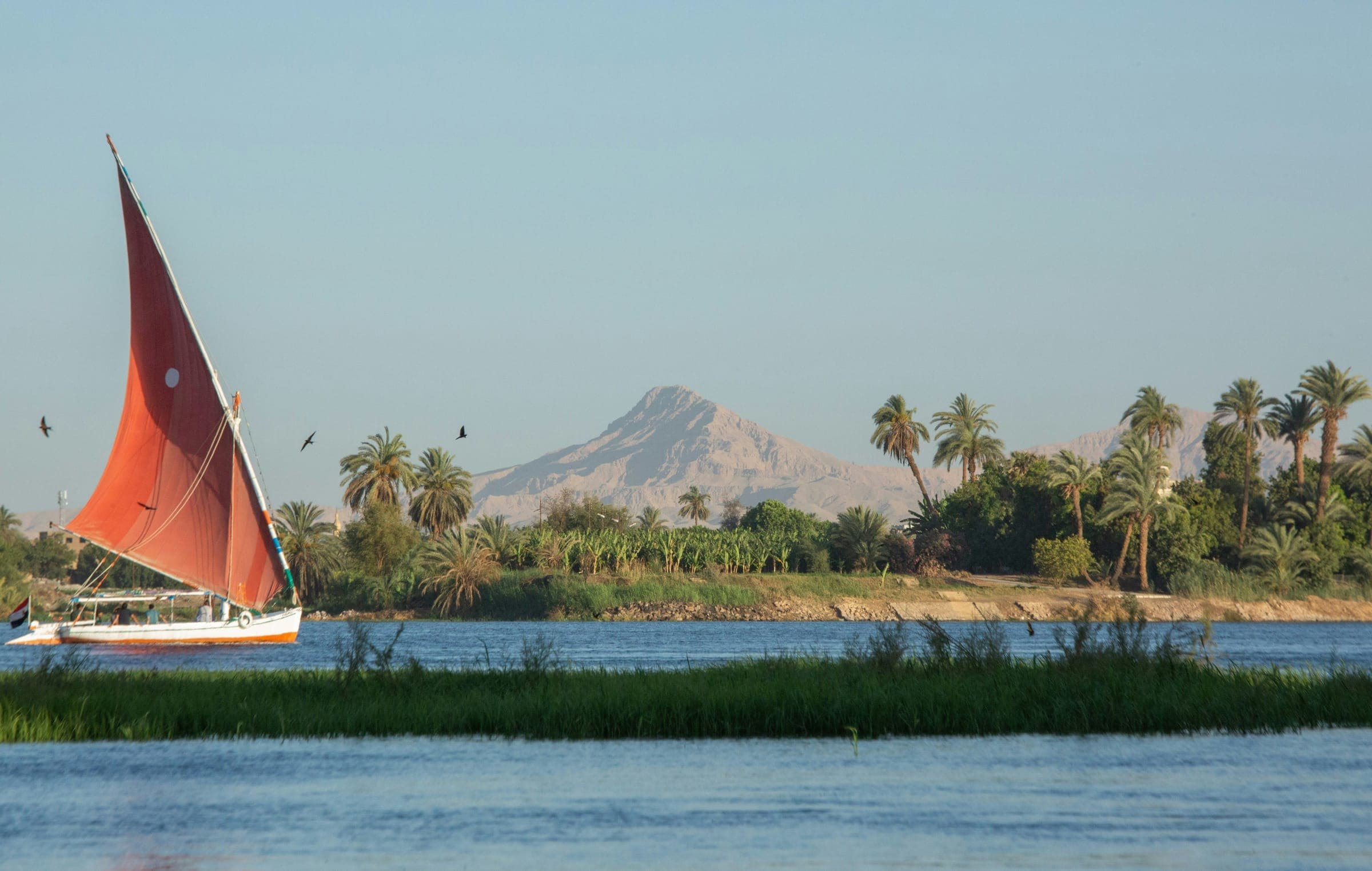
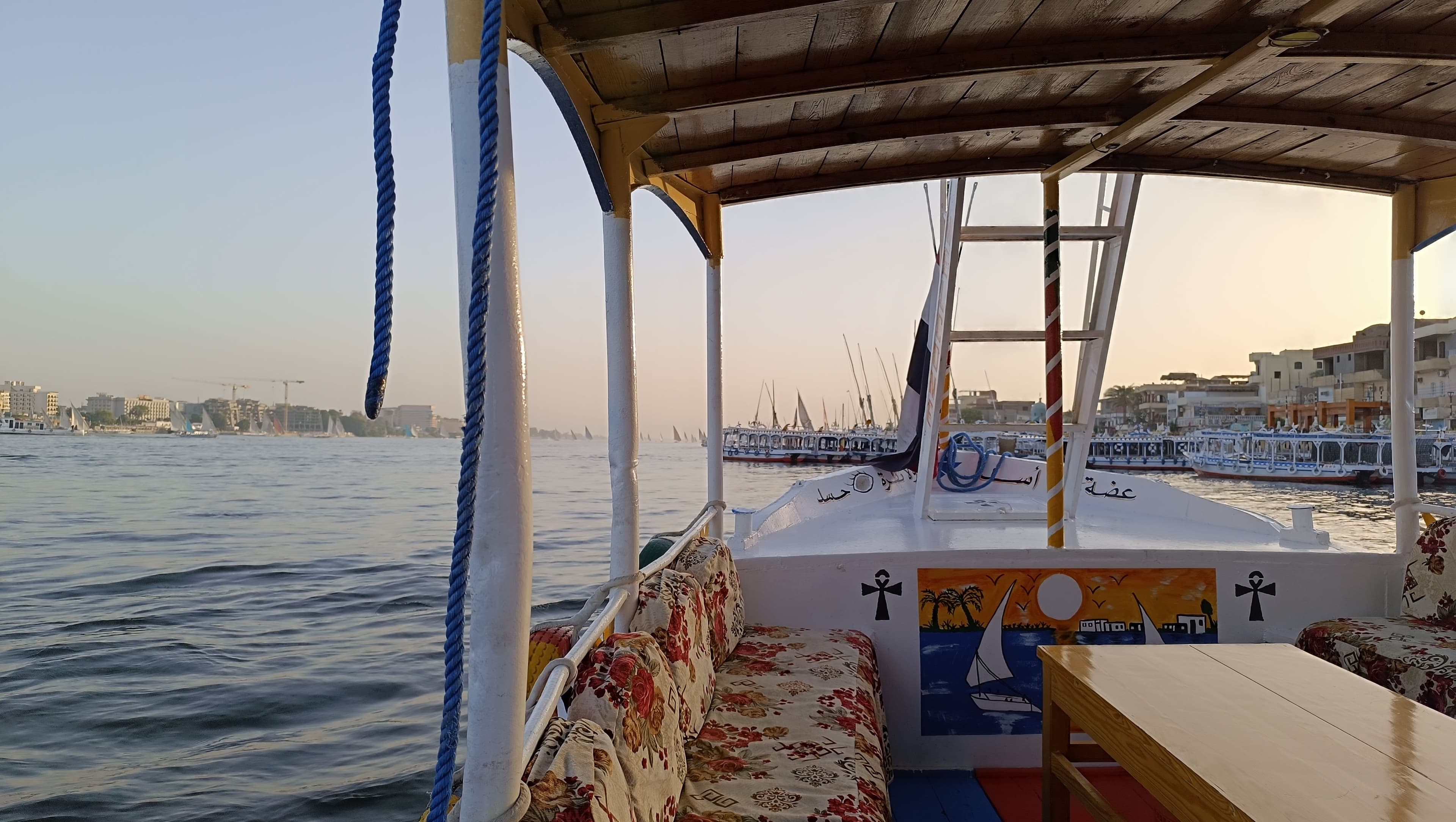
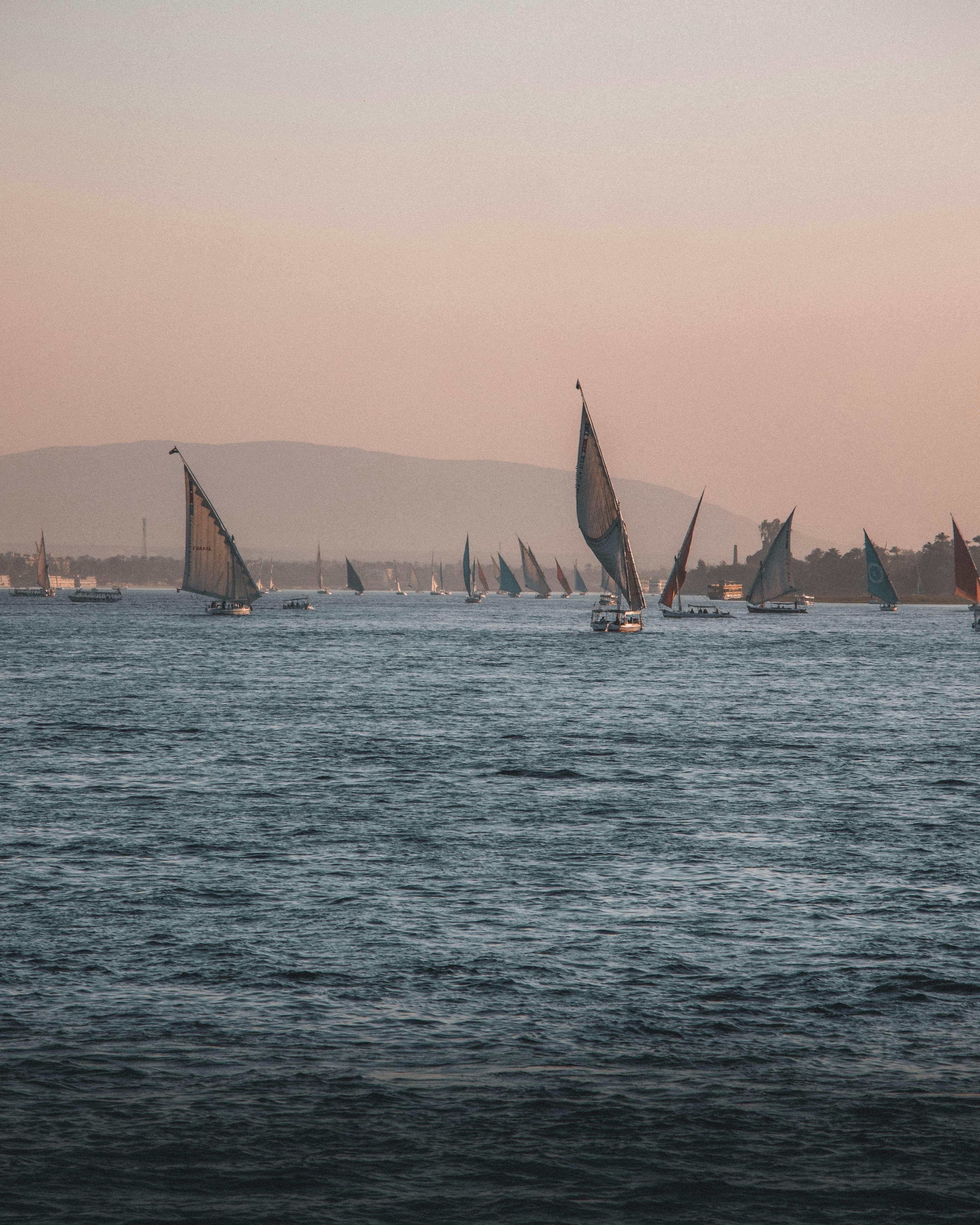
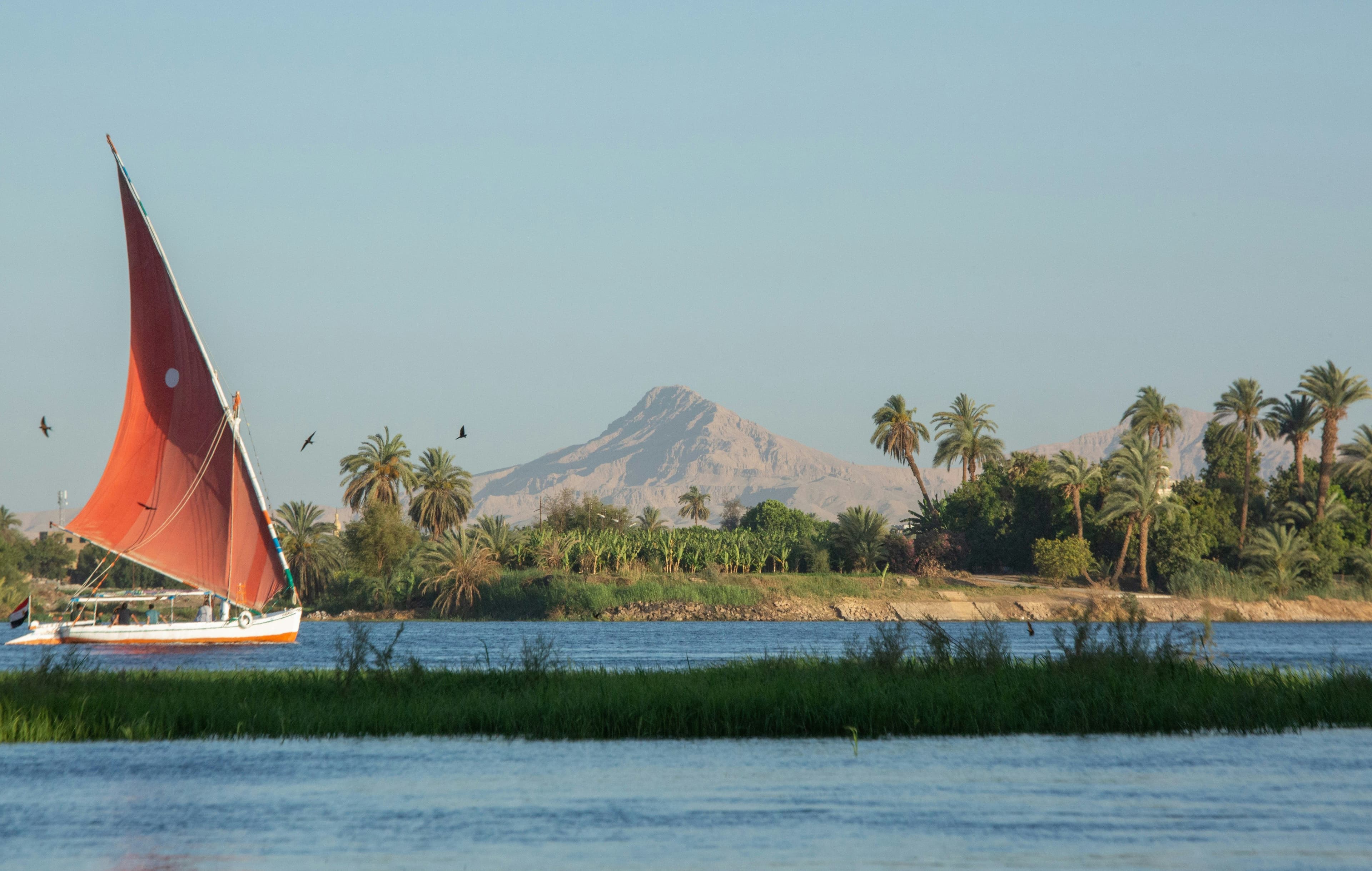
Everyone takes the felucca ride. Almost nobody learns to sail it.
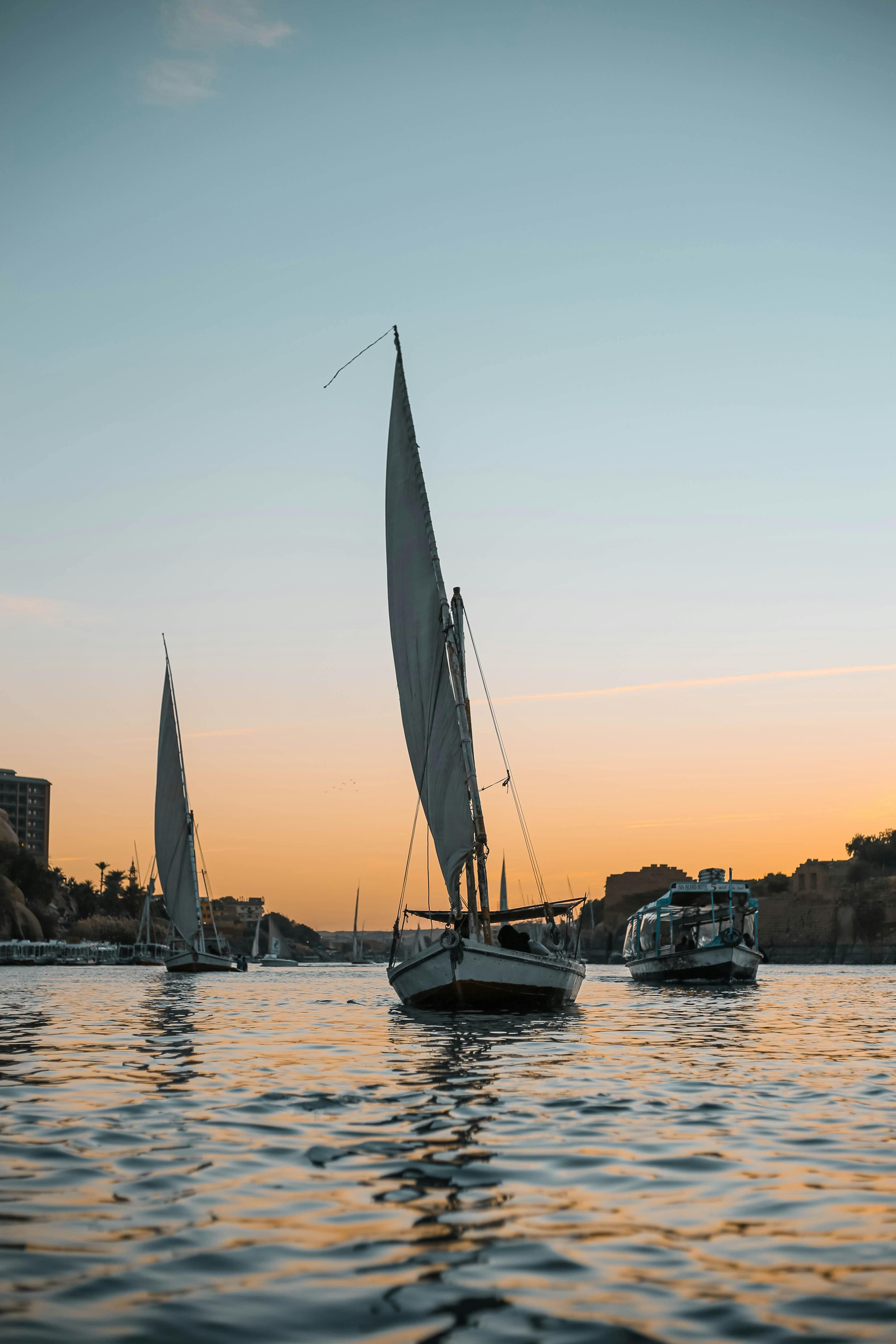
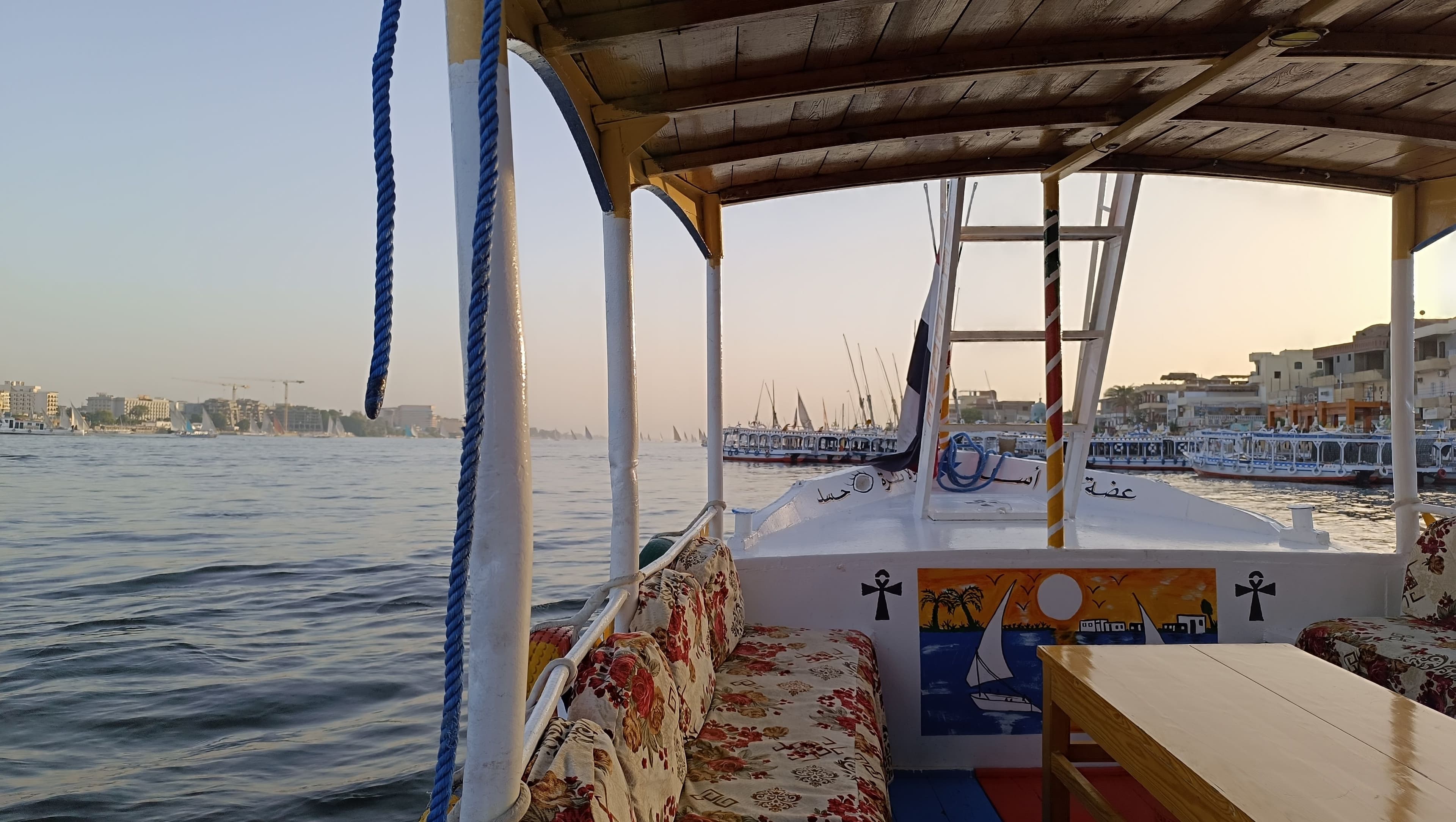
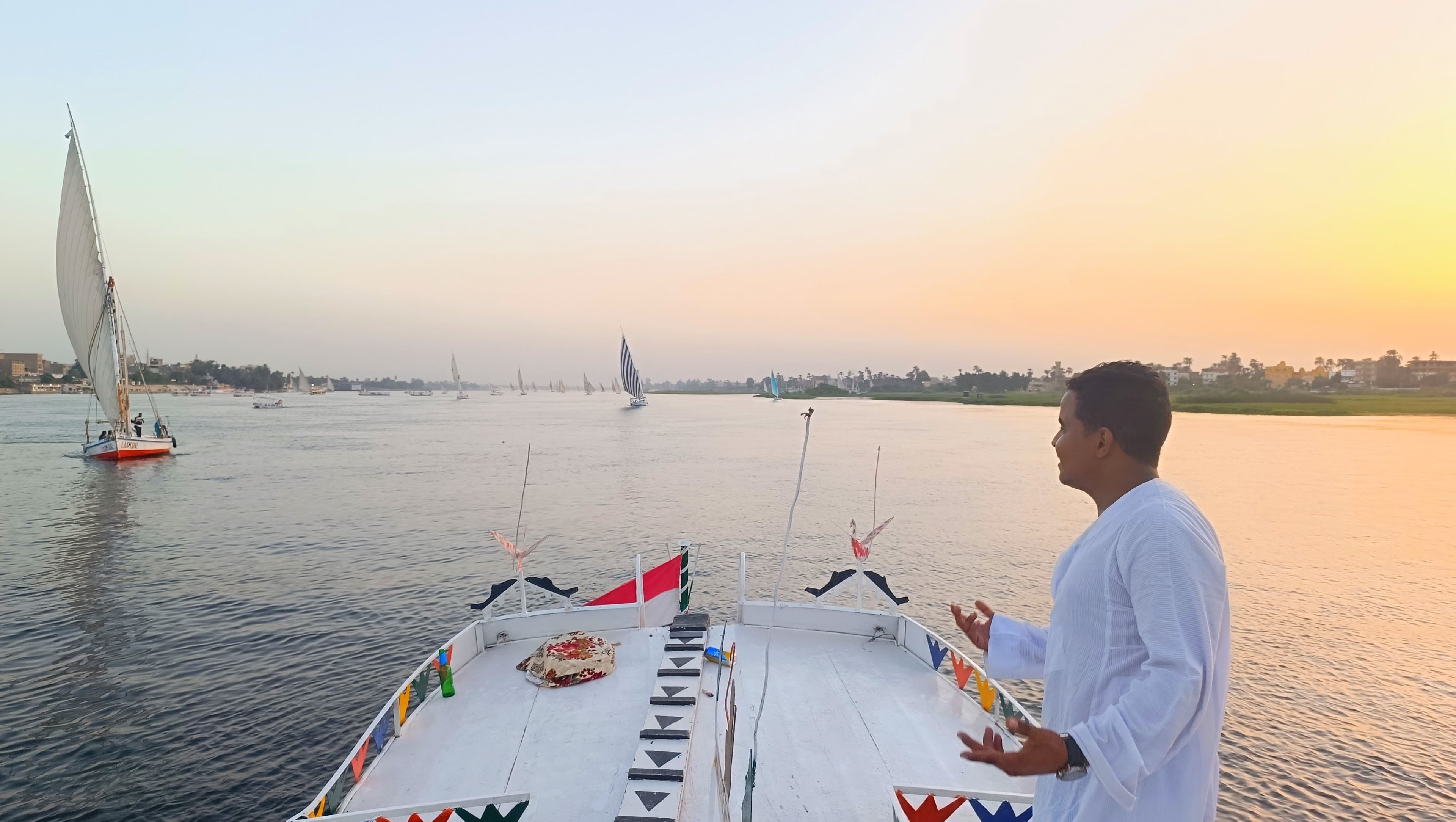
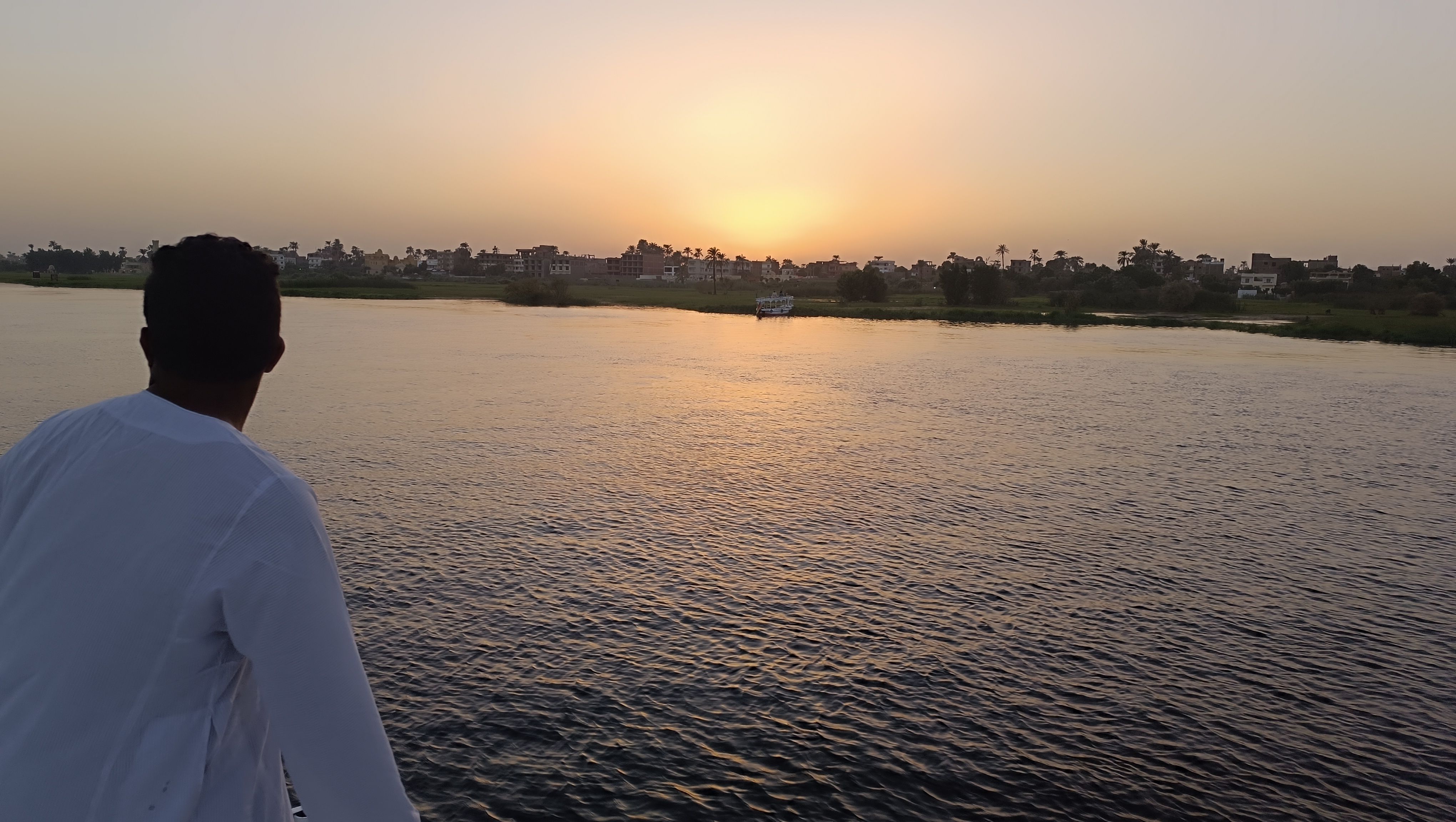
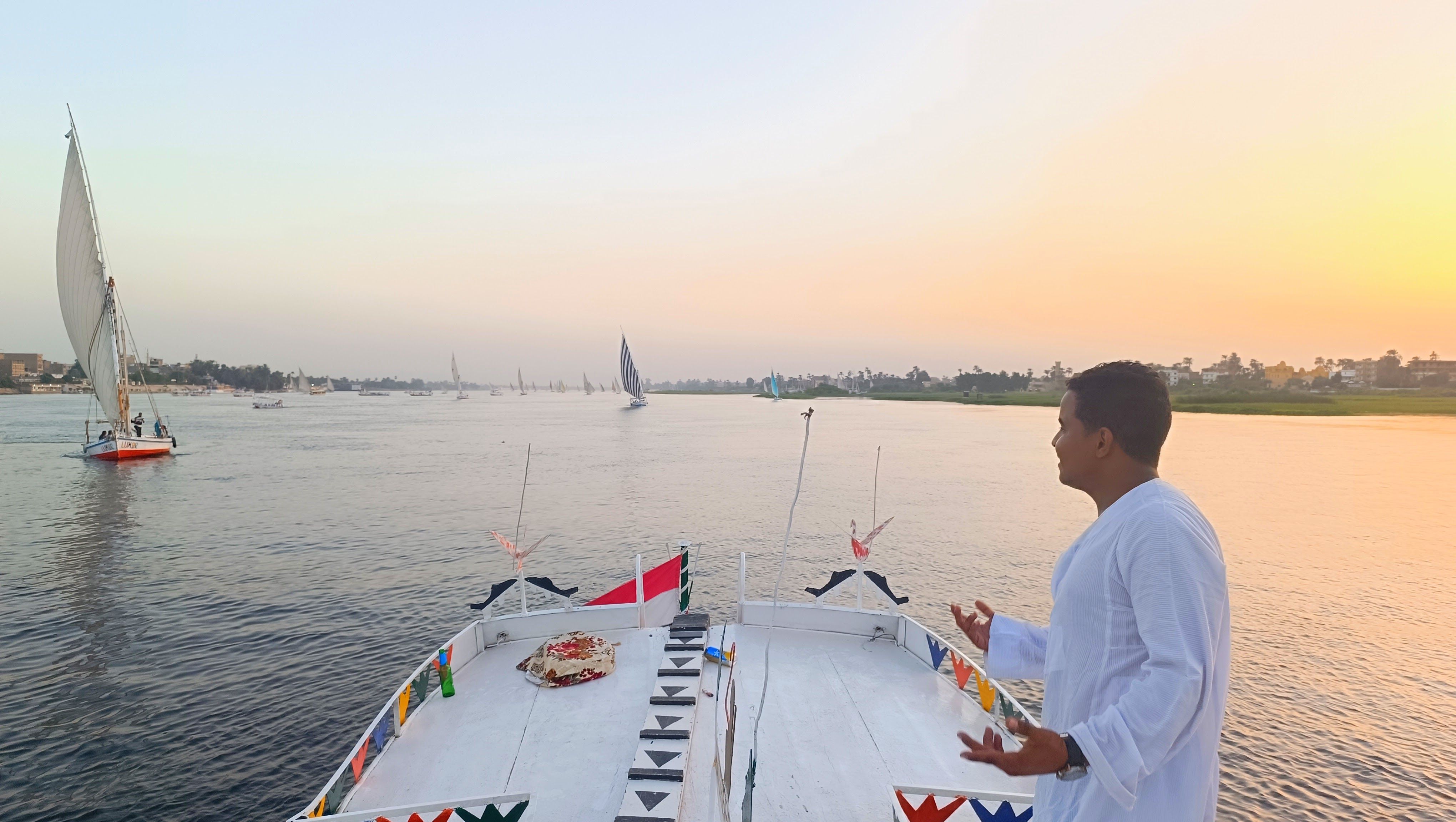
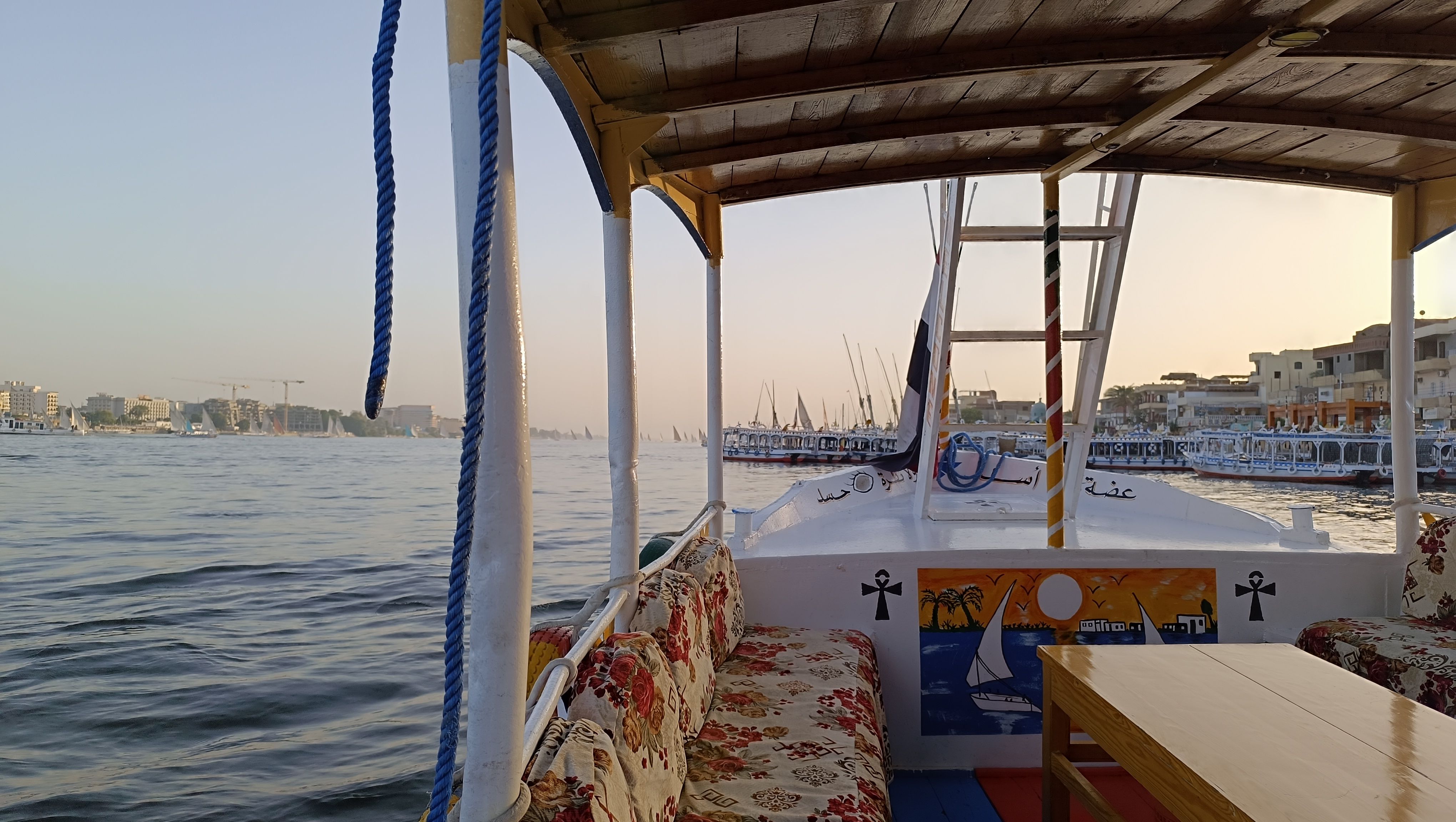
The sunset felucca is the classic Nile photograph — and most people spend it exactly as a photograph: sitting still while a boatman does the work. This is the other version. Here, the rope and the tiller are yours. You learn how a lateen sail — the same rig that carried trade up and down this river for five thousand years — actually catches the wind, and then you sail the boat yourself, with a captain at your shoulder who's done it since he was a child.
It is, quietly, one of the most memorable two hours a guest can have in Luxor. Not because it's grand, but because it's yours — a real skill, learned on the oldest working river on earth.
The river that taught a civilisation to move.
Before the roads, before the rail, there was the current going one way and the wind coming the other — and on that simple balance the whole of Egypt was built. Boats sailed south on the wind and drifted north on the flow; the hieroglyph for "travel south" is literally a sail, and "travel north" a boat with the mast down. To take the tiller of a felucca is to feel that ancient logic in your own hands: the same wind, the same water, the same lean of the hull the temple-builders knew.
There's no engine to hurry it and no schedule to keep. Just you learning to read the river — and, somewhere in the second hour, discovering that you can.
The moment the sail fills and the engine's off, you stop being a passenger.
A calm you can steer.
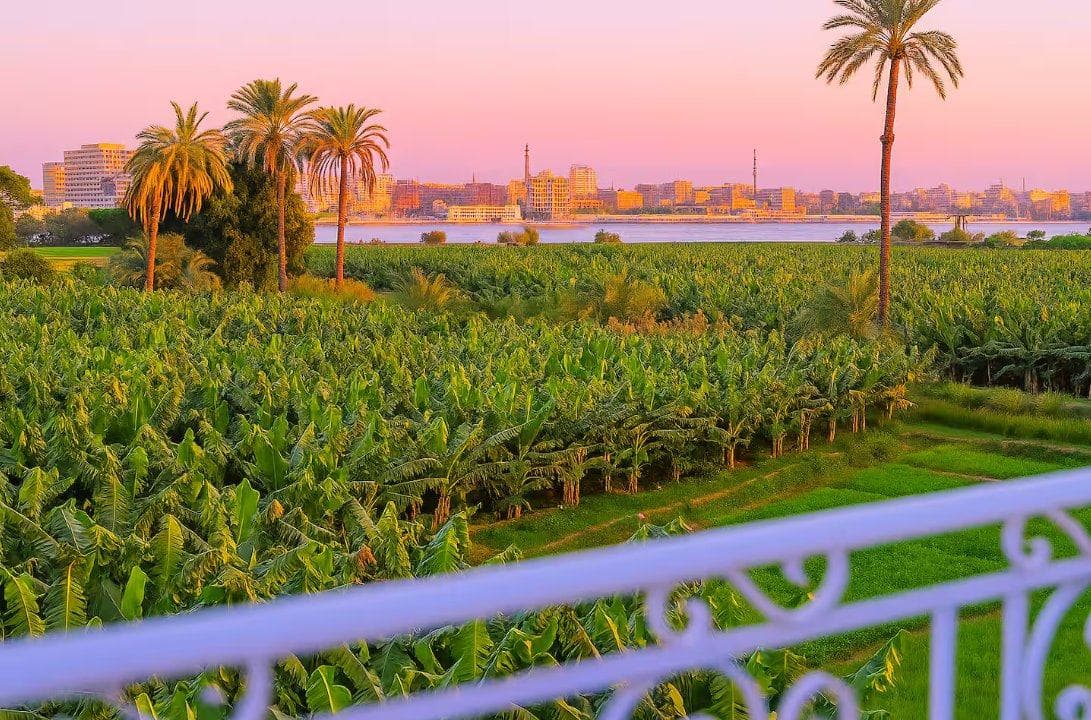
Most of Egypt is magnificent and a little overwhelming — heat, scale, crowds, wonders stacked on wonders. This is the opposite. This is the exhale. The boat leans, goes silent, and moves on nothing but air; the West Bank turns to gold; and for once you're not being shown something — you're doing it.
Bring someone you love, bring the children, or come alone and let the river have your full attention. It's the stop guests are most surprised by — the one they didn't expect to remember, and never forget.