Luxor
Luxor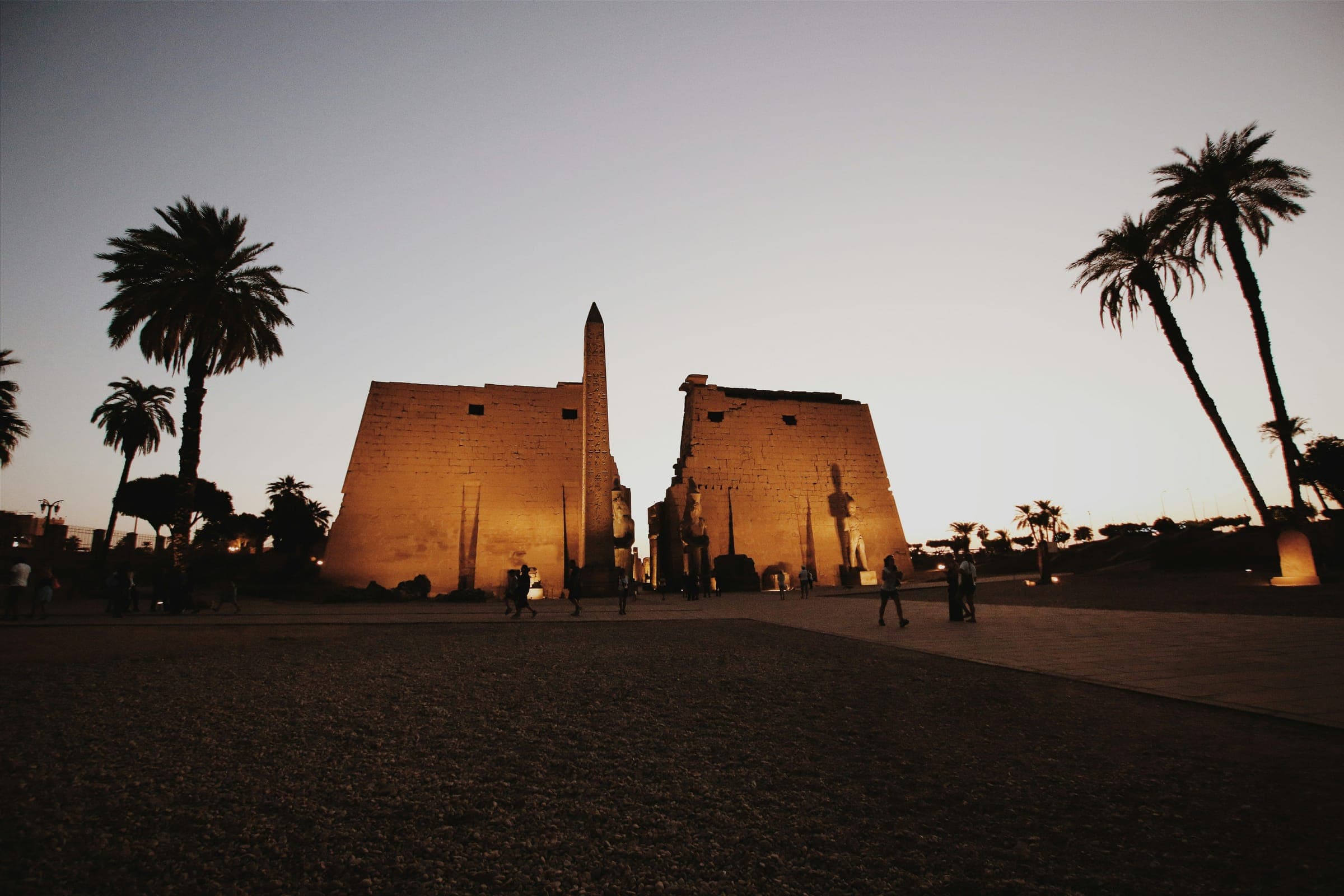
The temples were never meant to be seen at noon.
Almost everyone visits Luxor's temples in the middle of the day, in the heat, in the crowds — because that's when the coaches come. But these buildings were made for a different light. Lamps and fire and the low glow of evening; processions after dark; the hush of a sanctuary at night. Come back once the day-trippers have gone and the temples are lit against the black sky, and you finally see them closer to the way they were meant to be seen — and closer to the way the priests who served them saw them every night of their lives.
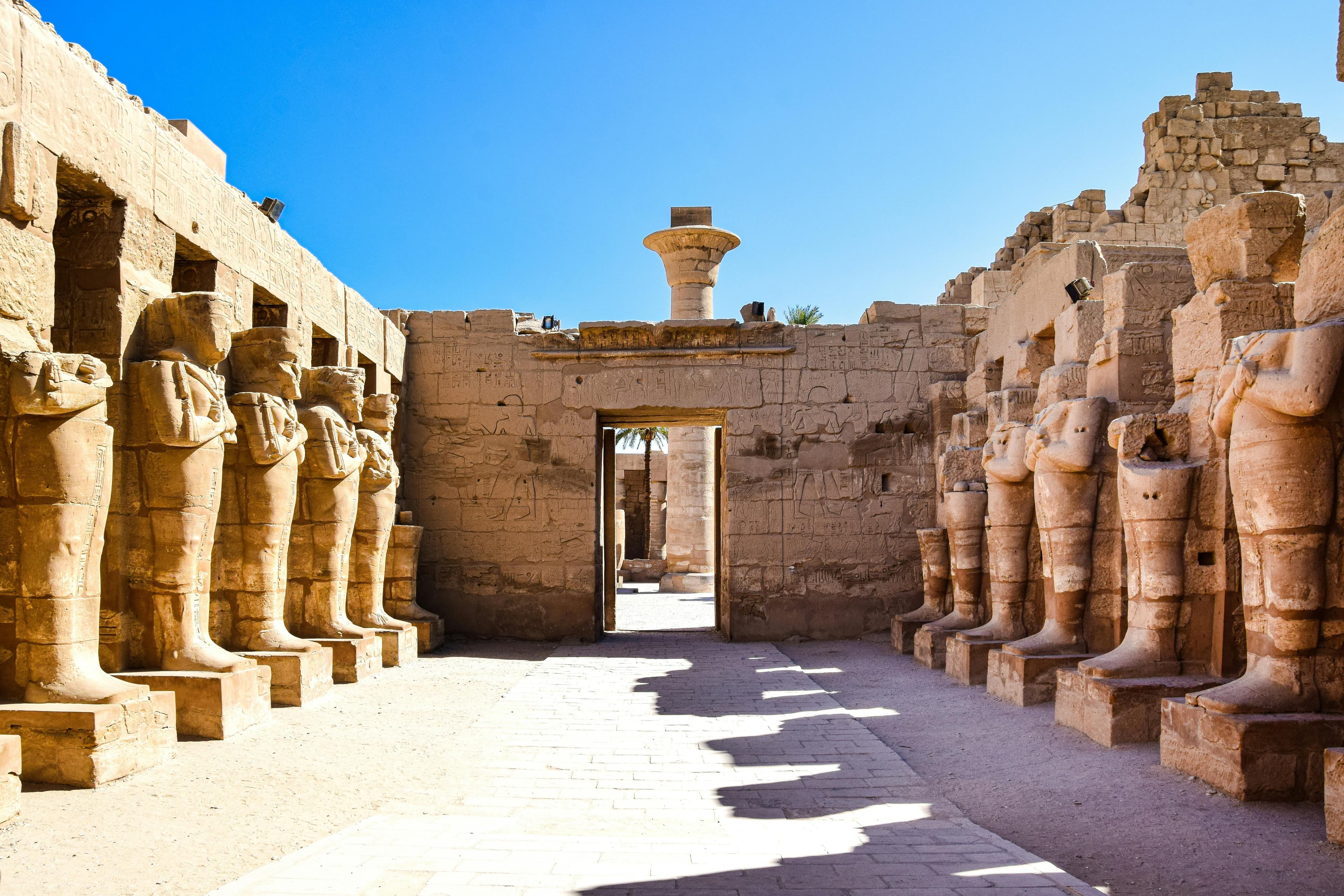
Karnak, twice the temple after dark
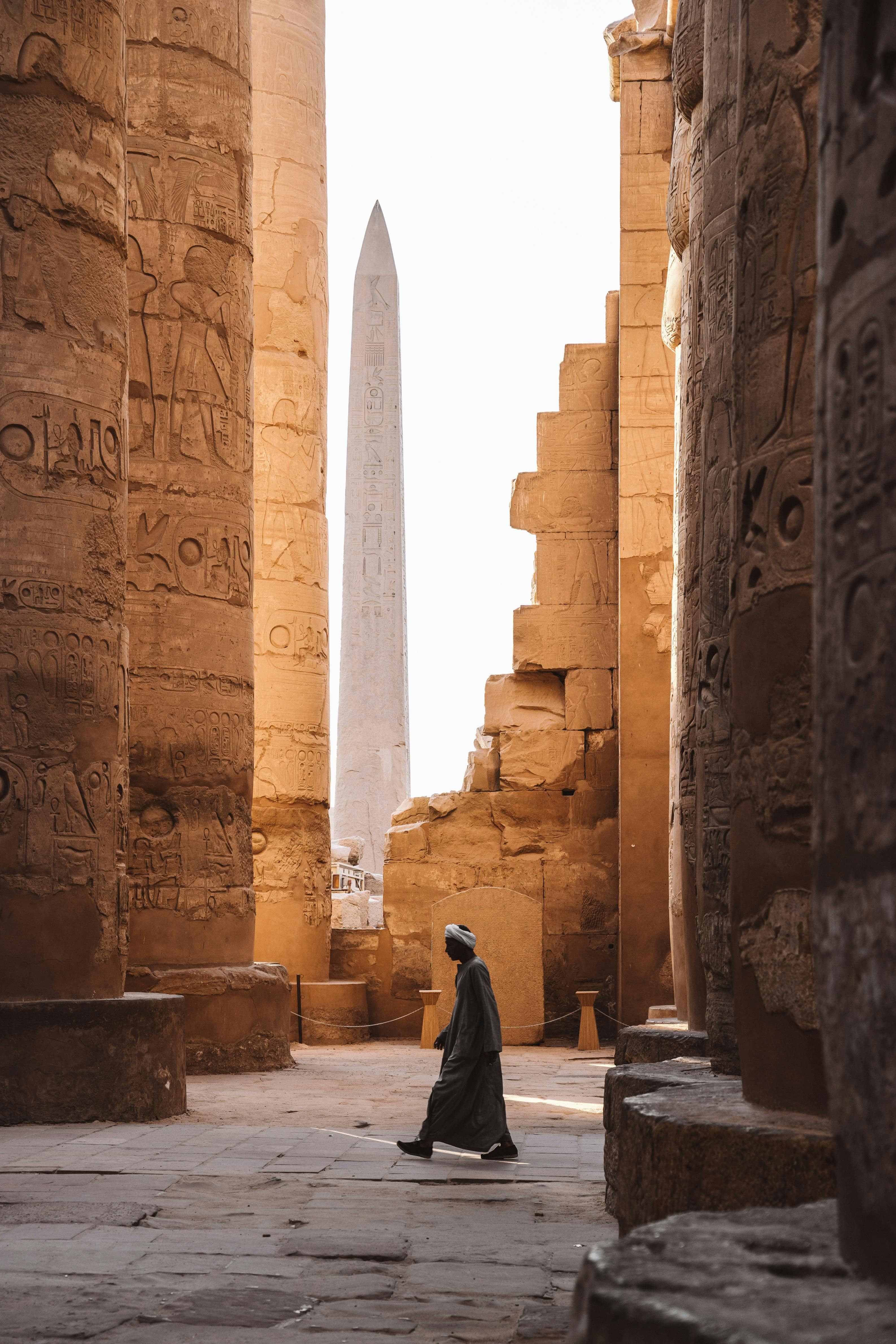
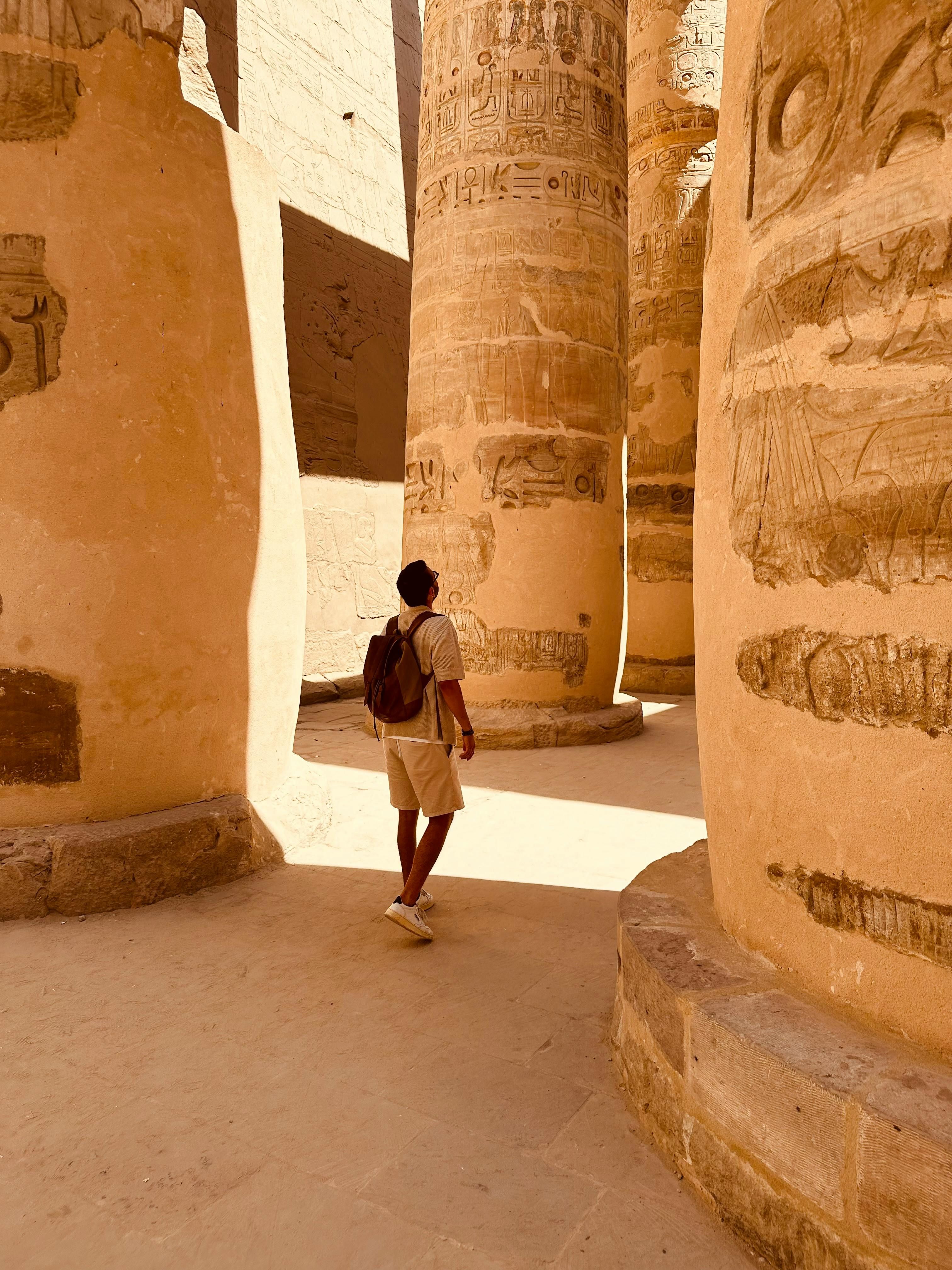
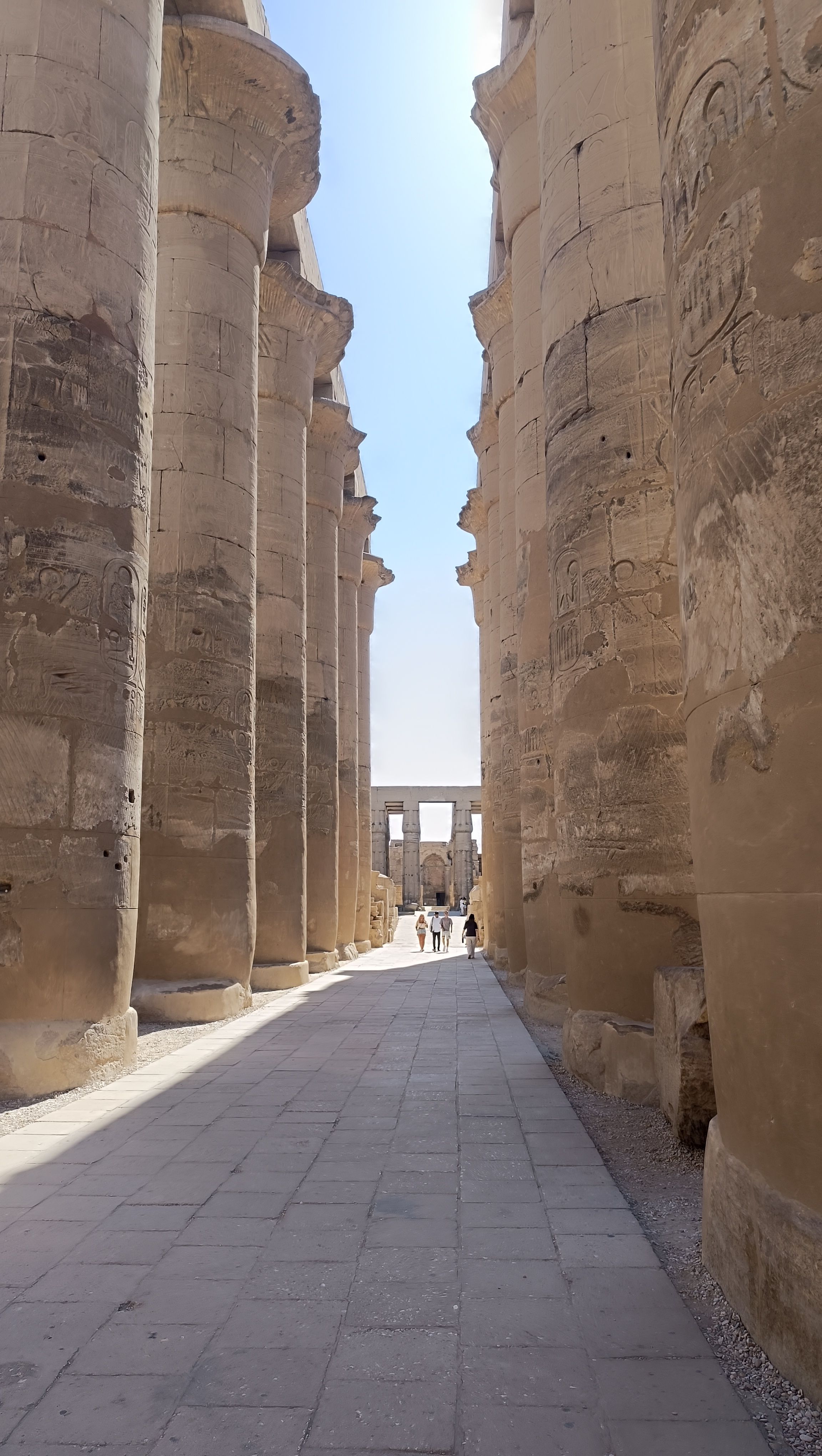
The Great Hypostyle Hall is overwhelming by day. By night it is something else again. The floodlights throw the hundred and thirty-four columns into deep shadow and gold, the crowds are gone, and the scale — impossible to grasp even in daylight — somehow grows in the dark. The Sound & Light show plays the temple's own two-thousand-year story across the stones themselves: grand, theatrical, and genuinely stirring when the voice booms out and a wall you were standing beside an hour ago lights up.
Your Egyptologist walks it with you and gives you the real history alongside the spectacle — so you leave with the story straight, not just the show.
Lit against the dark, empty of crowds, the temple stops being a monument and becomes, for an hour, a temple again.
The city the coaches never meet
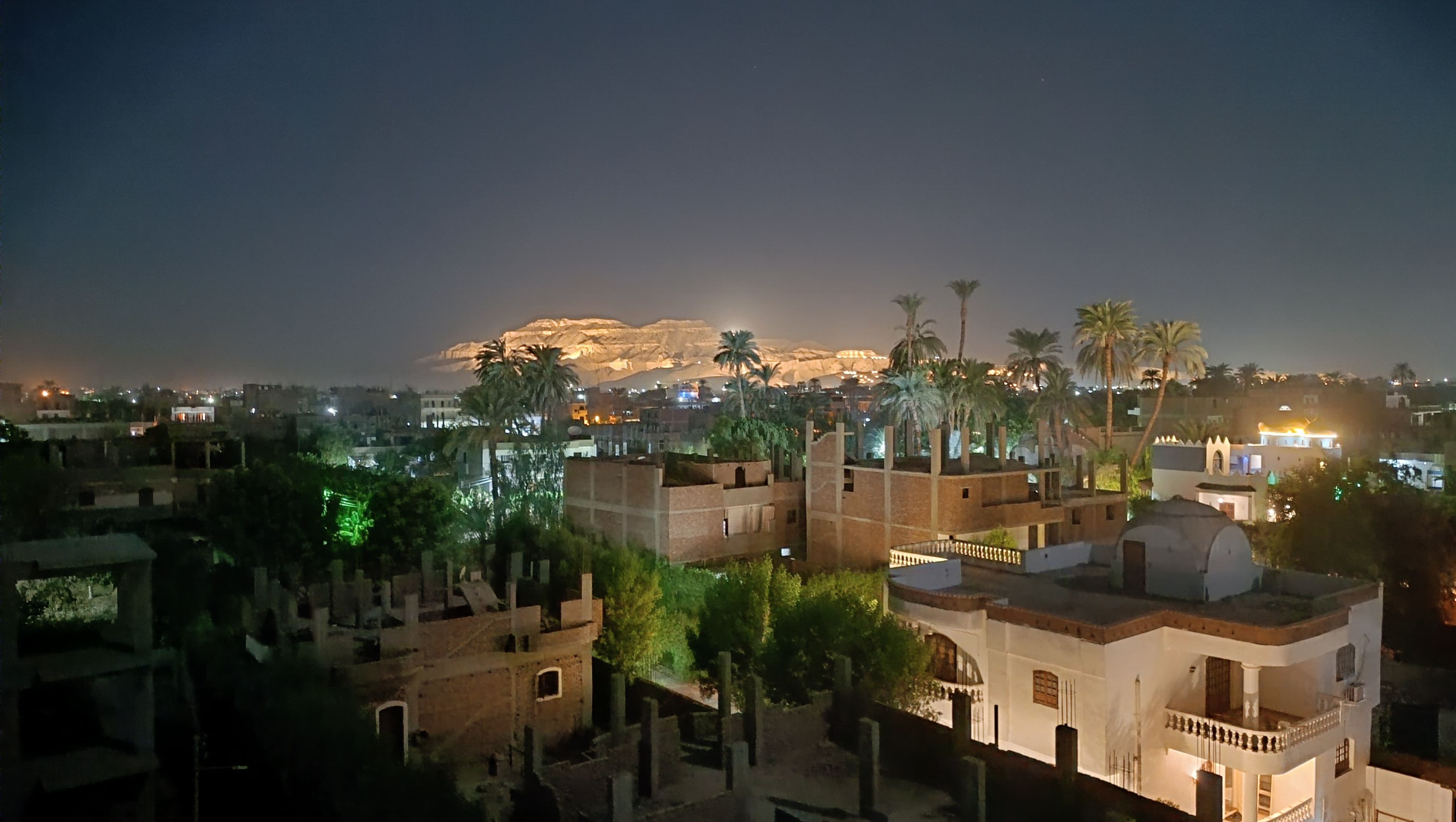
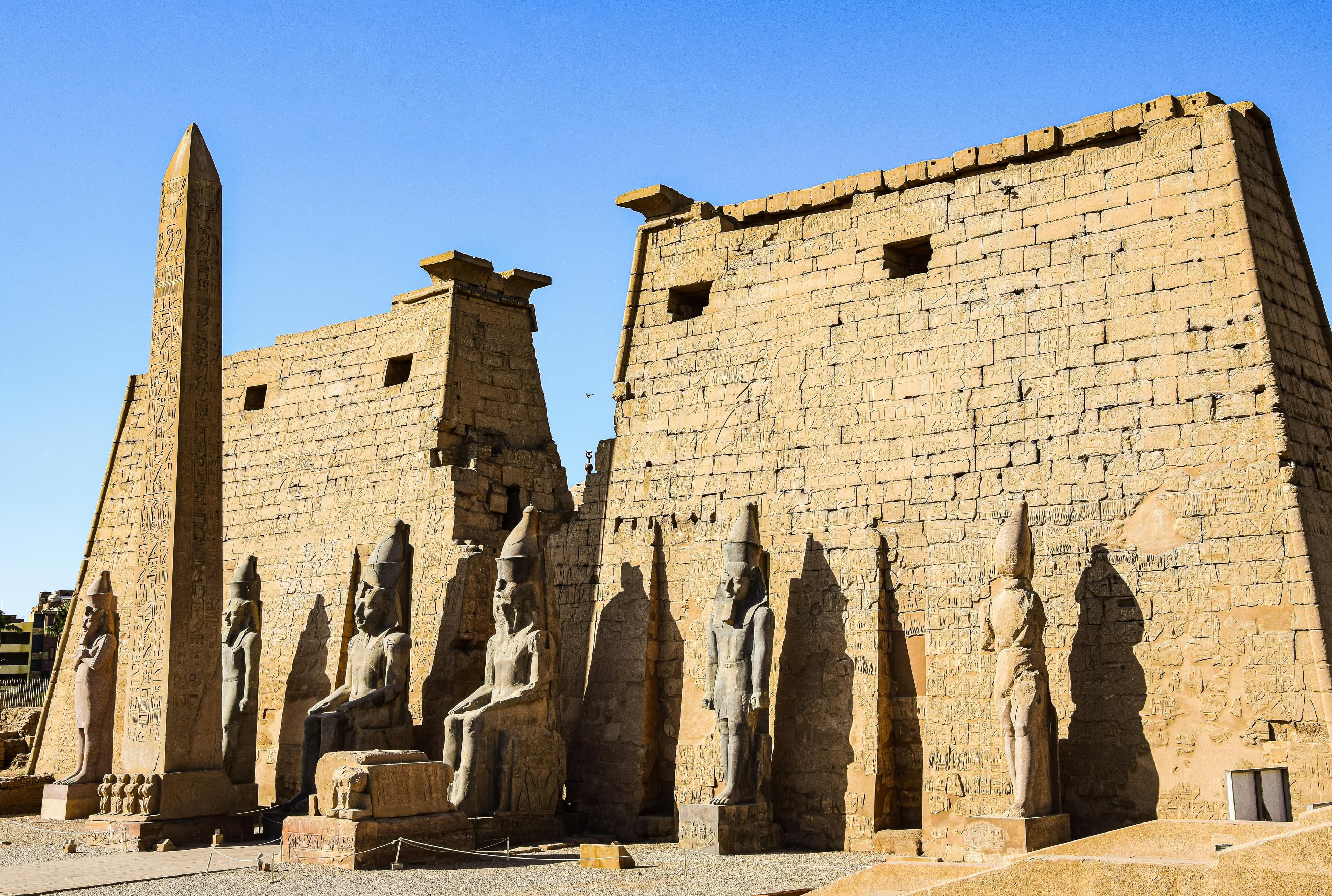
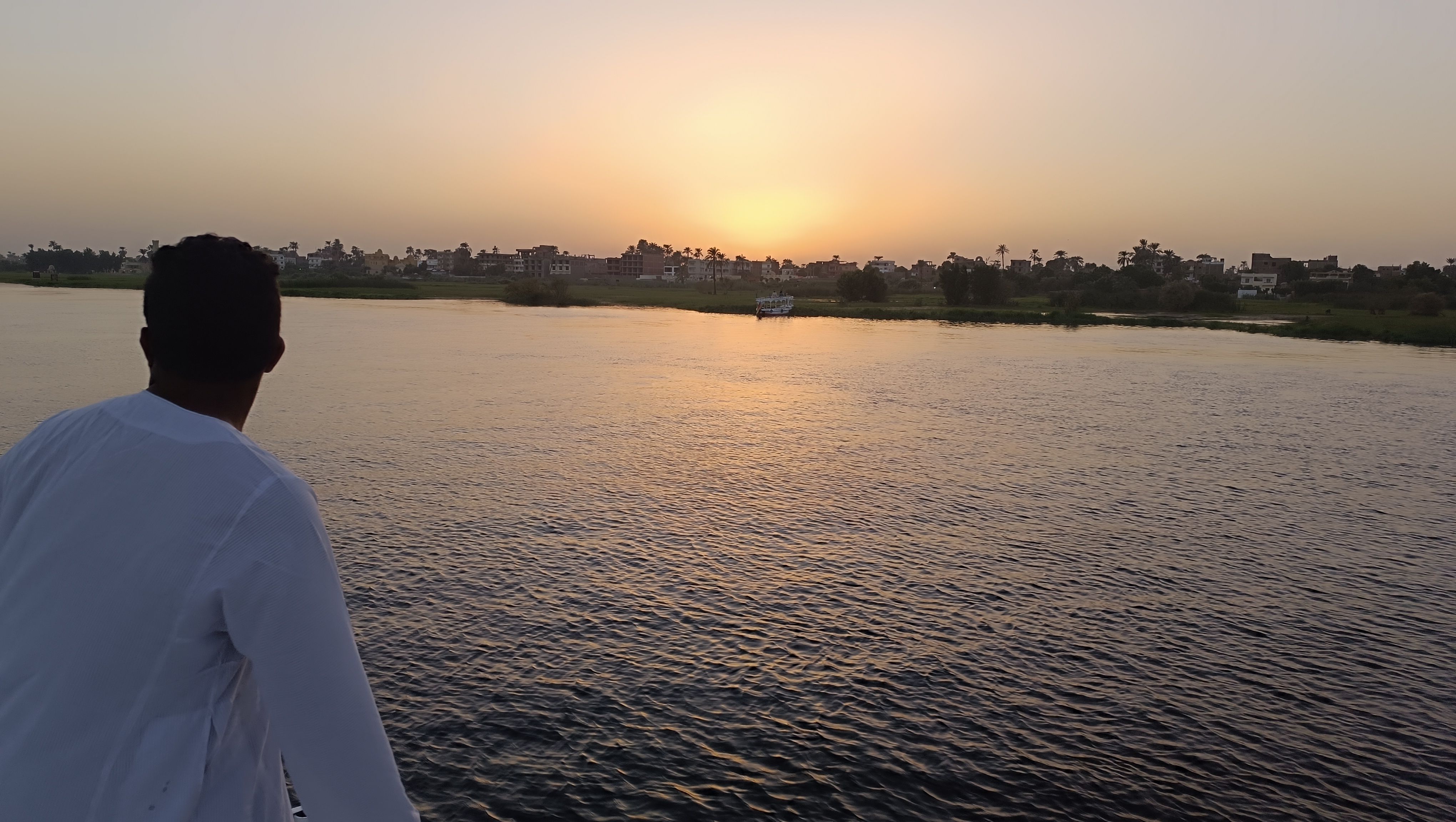
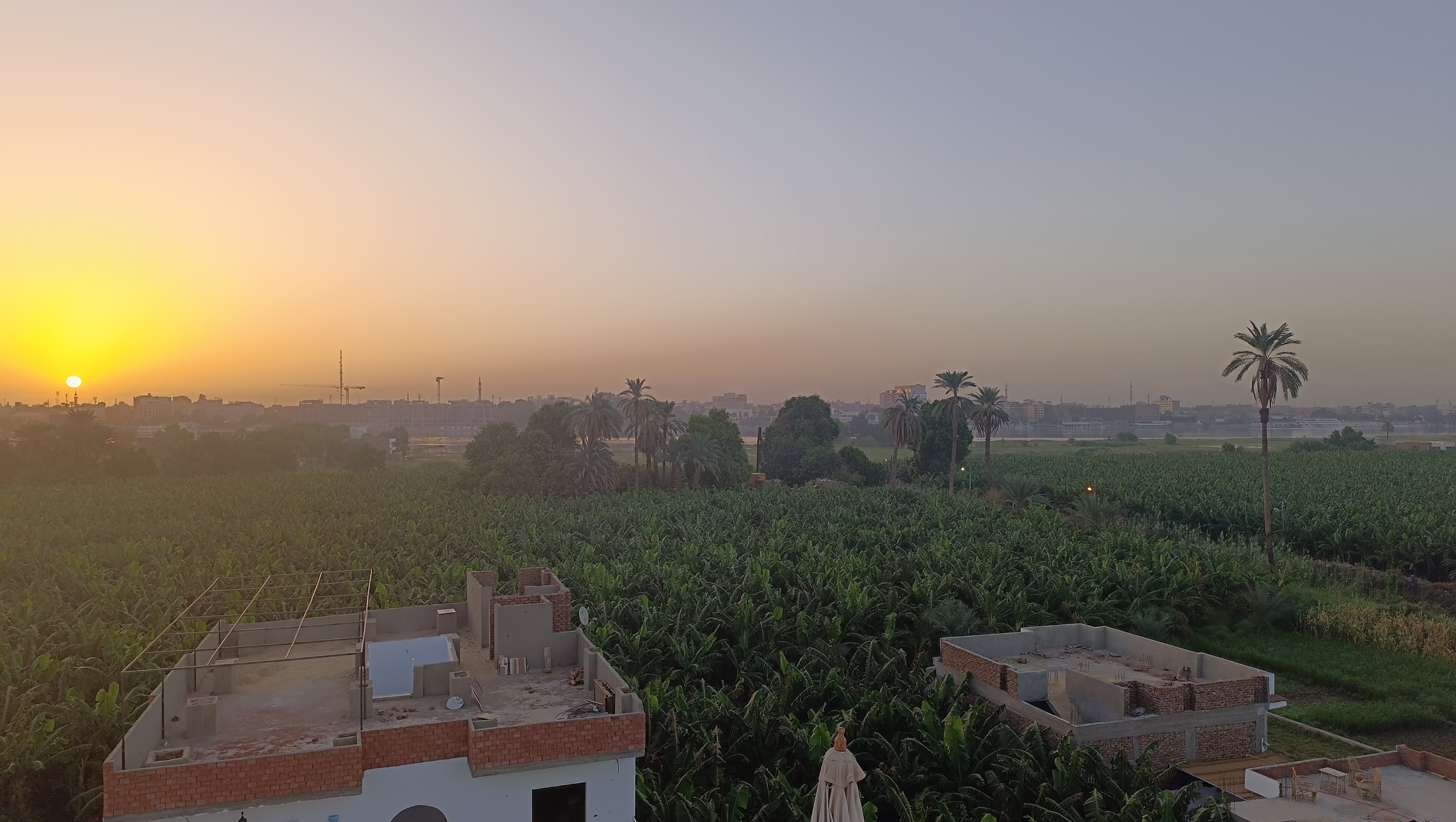
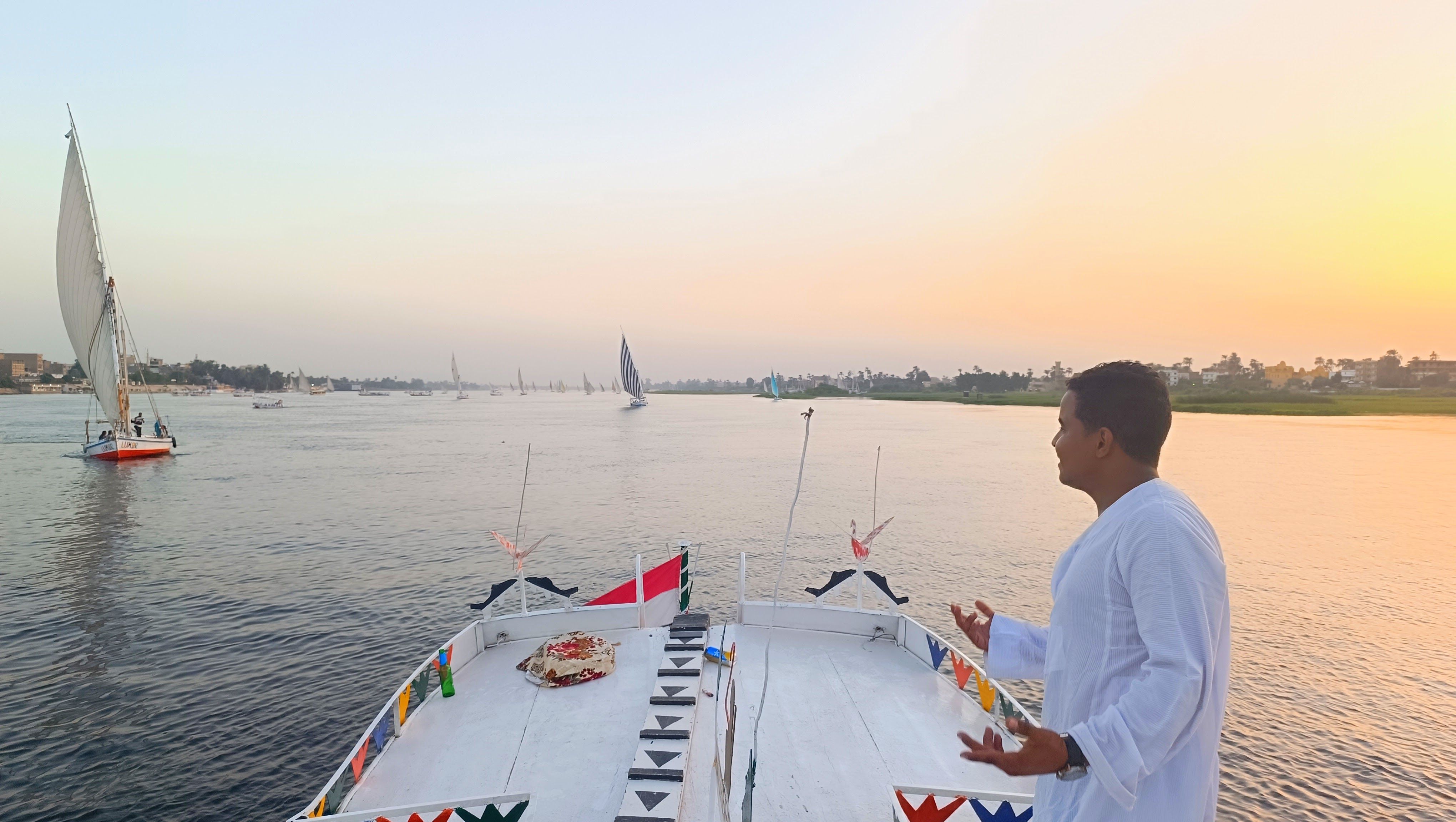
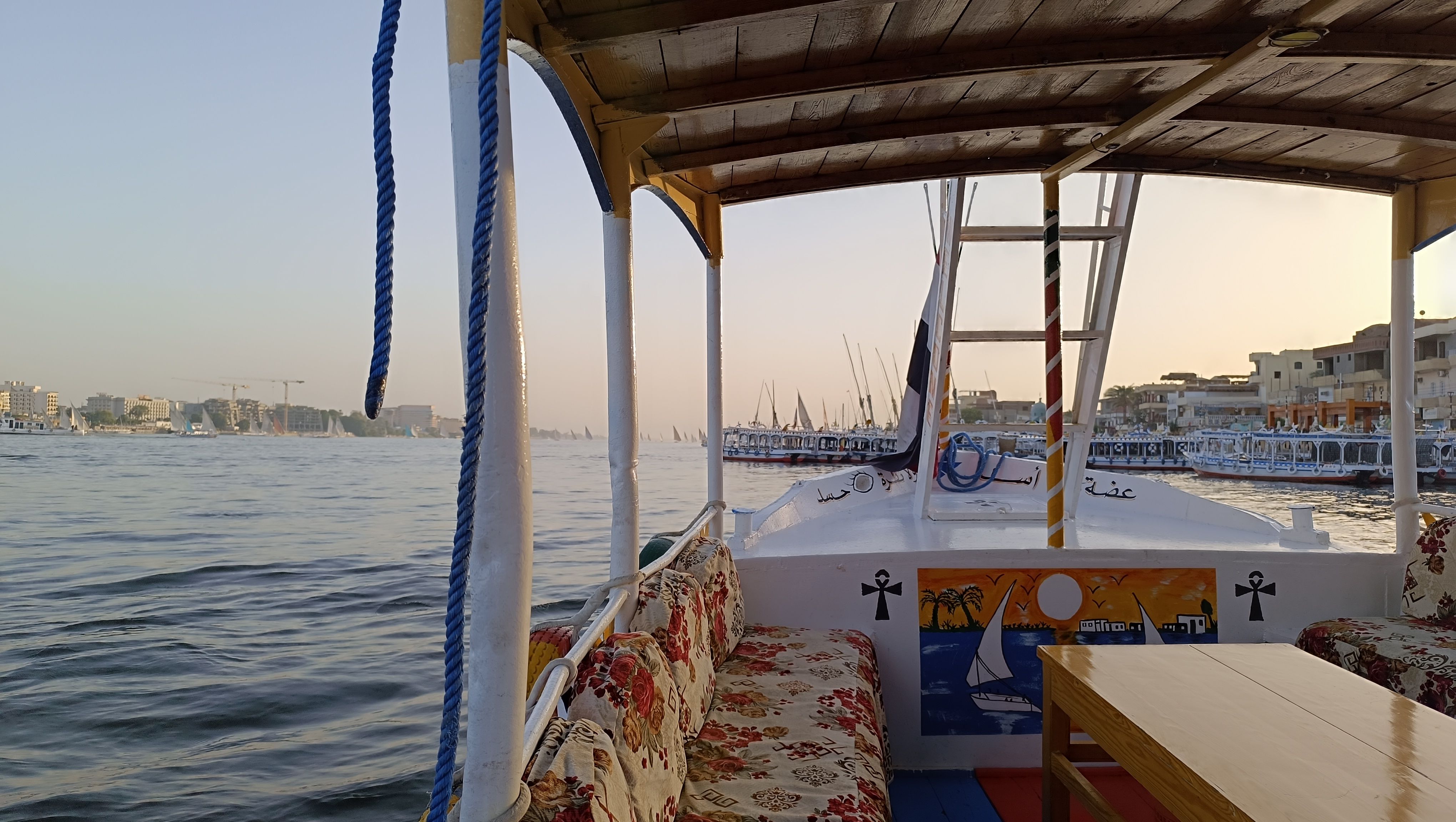
There's a second half to the evening that most tours skip entirely: Luxor itself, after hours. Luxor Temple glowing right in the middle of the living town. The Corniche strung with lights along the river. The souk once the cruise crowds have gone, doing its ordinary evening business. It is the warmest, most human hour in Luxor — the moment the place stops being a set of sights and becomes a city where people actually live, on the banks of the oldest river there is.
Come for the illuminated temples. Stay for the evening that comes with them.