Luxor
Luxor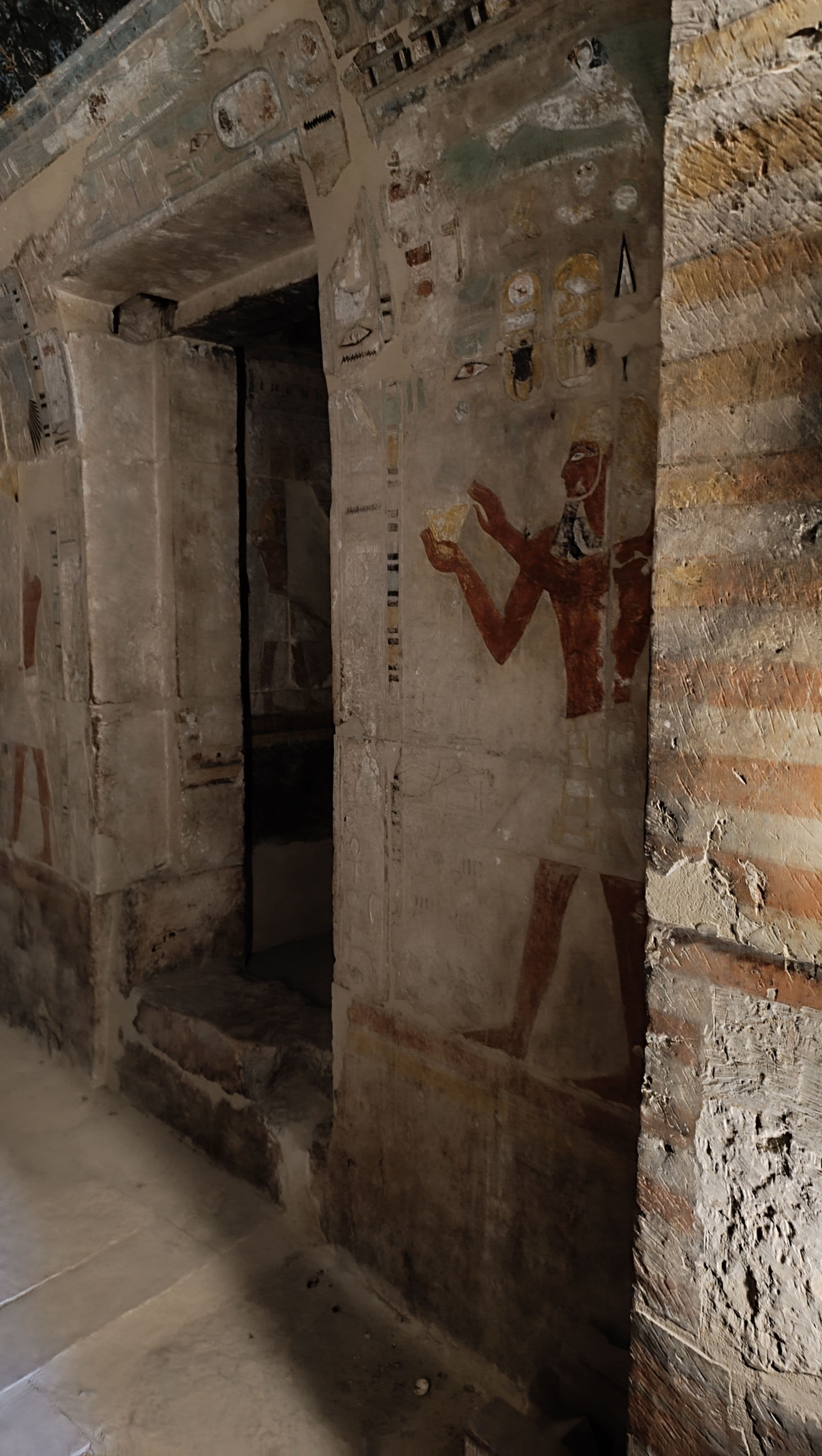
Somebody had to build the Valley of the Kings.
We stand in the royal tombs and marvel at the pharaohs — but every one of those tombs was cut, plastered and painted by human hands, and those hands belonged to a very specific group of men who lived, for four hundred years, in a walled village just over the hill. Deir el-Medina is that village: the home of the artisans of the Valley of the Kings, and the single best place in Egypt to meet the ancient Egyptians not as gods or god-kings, but as neighbours.
It is quiet, it is complete, and almost nobody goes. That is exactly why you should.
A whole town, and everything they said
You walk the stone footprints of their actual houses — narrow terraced homes along a single street, with front rooms, kitchens, cellars and shrines. And because these people were literate scribes and craftsmen who wrote on flakes of limestone and threw them away, we know their lives in a detail we have for nowhere else in the ancient world: pay disputes and the first recorded strike in history, a workman off sick with a hangover, love poems, a lawsuit over a borrowed donkey, complaints about the foreman. Your Egyptologist reads this town back to life — and it is startlingly, movingly familiar.
Tombs that outshine the kings
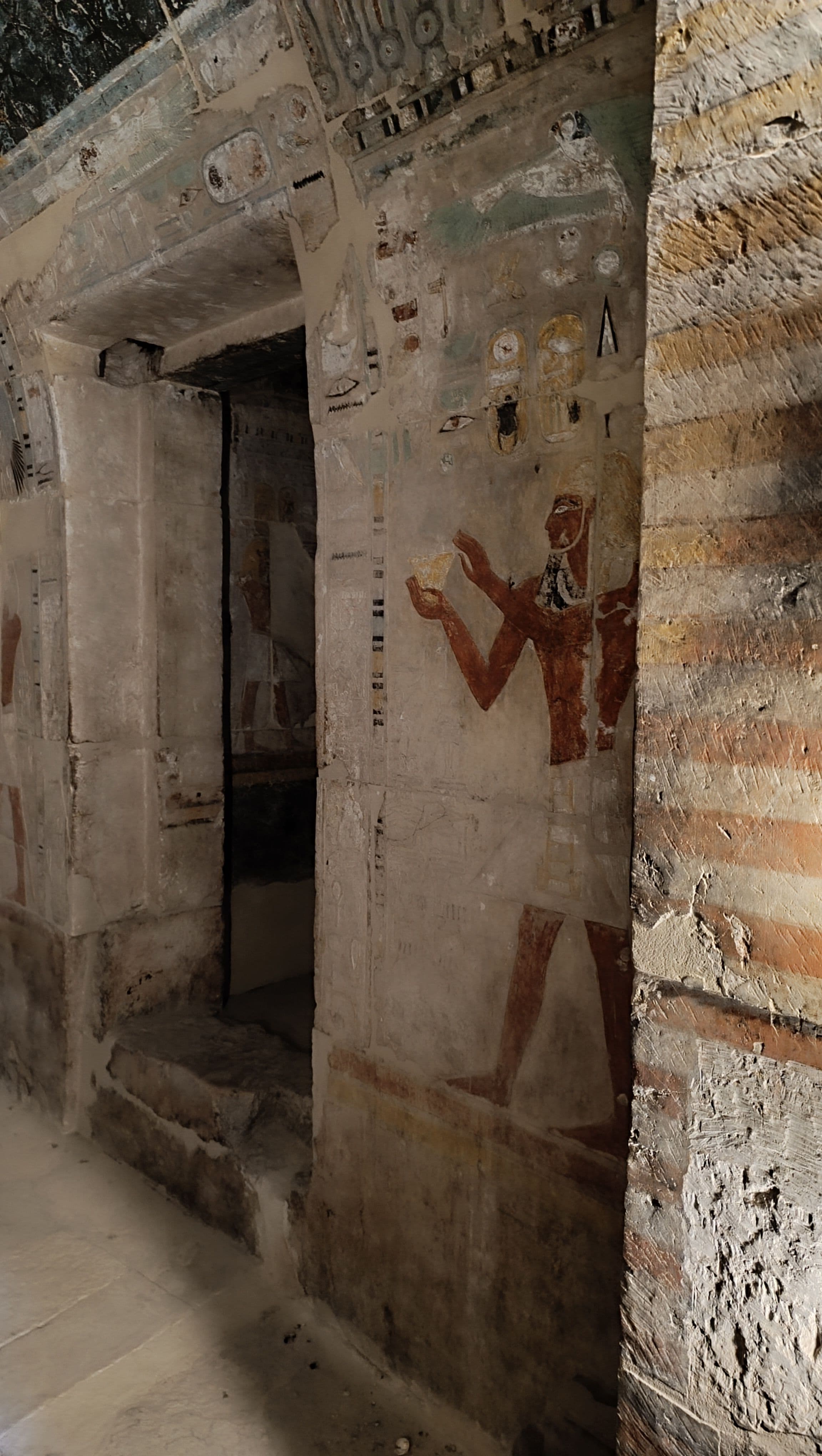
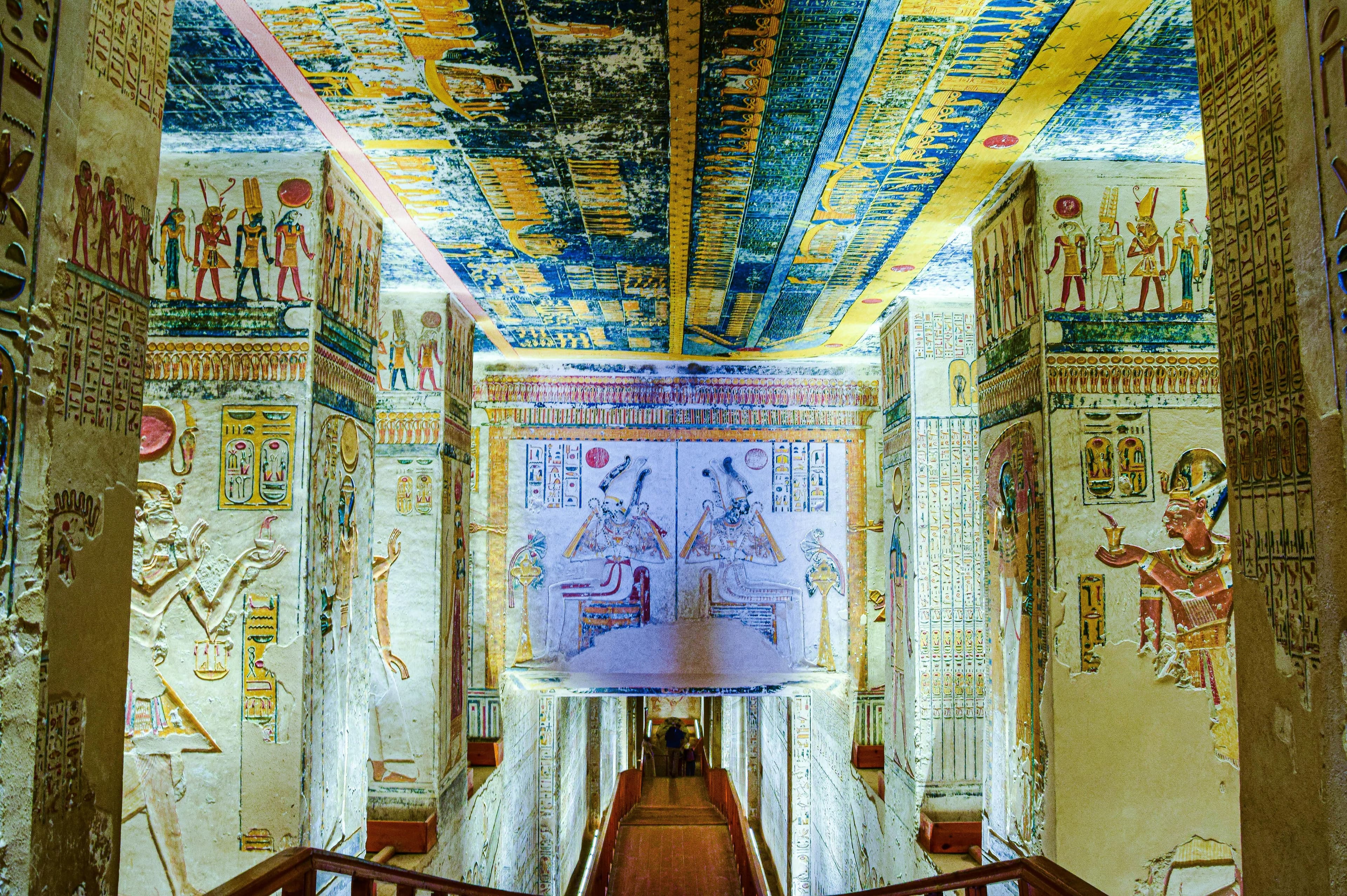
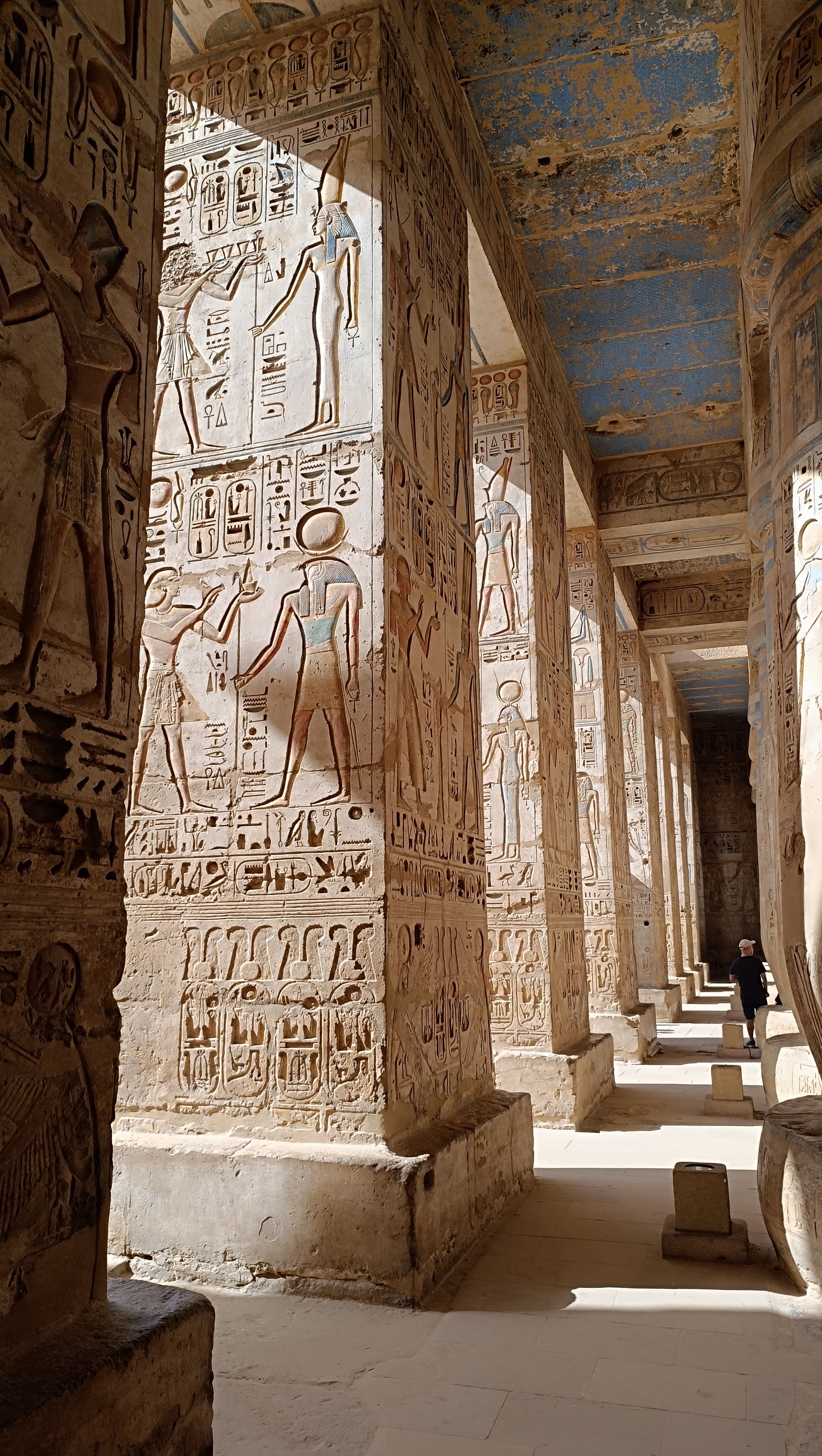
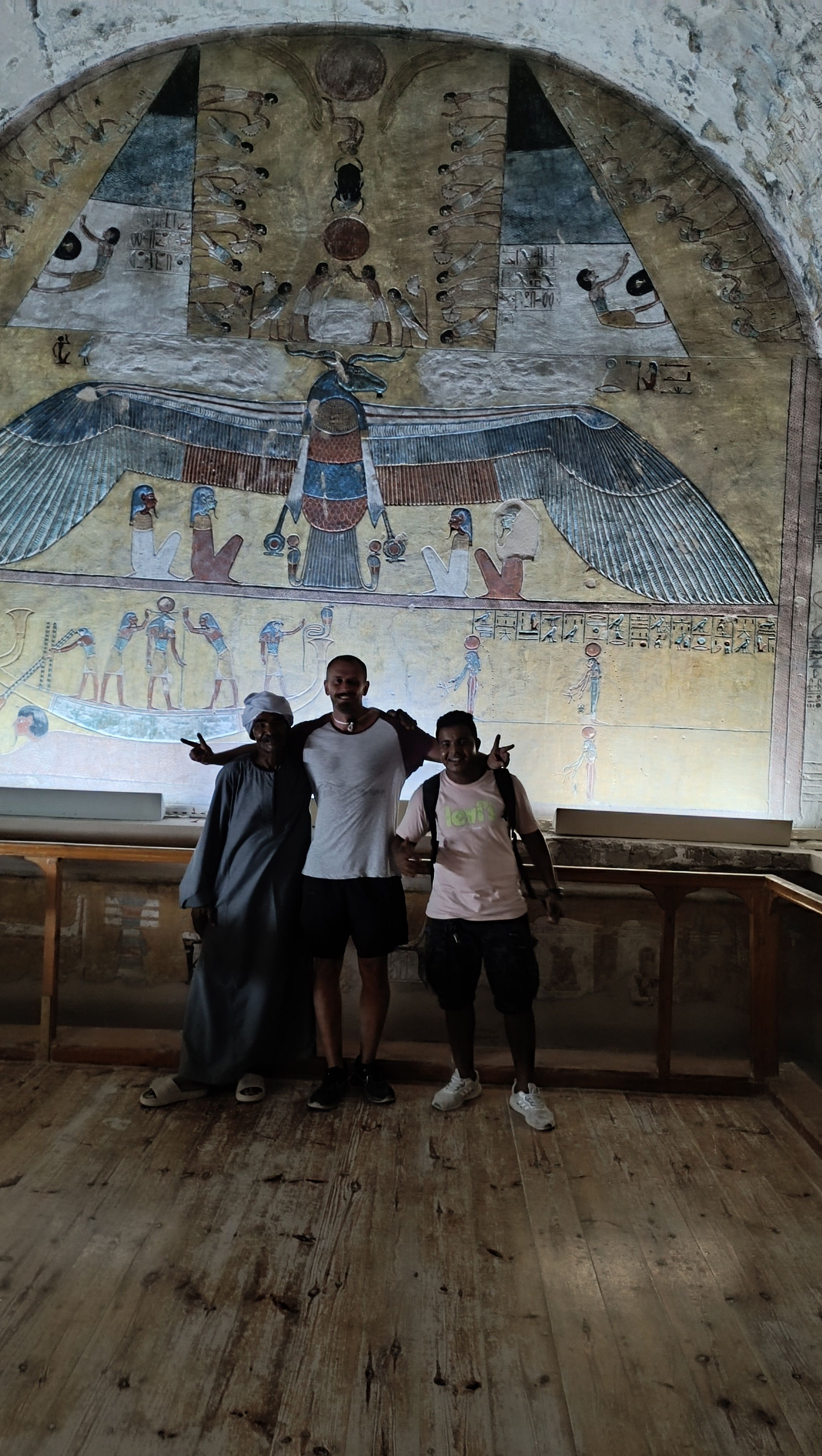
Here is the twist. These craftsmen spent their days decorating tombs for pharaohs — and then, in their own small tombs, they poured in everything they knew. The result, in tombs like Sennedjem's, is decoration of a richness and vividness that rivals or beats the royal tombs they built for a living: ceilings deep with stars, walls of gods and gardens and family, colour so fresh it stops you. Small rooms, enormous beauty.
The kings hired the best artists in the world and were buried in the results. When those same artists buried themselves, they somehow did it even better.
The other half of the West Bank story
Deir el-Medina is the human counterweight to the grandeur across the ridge — and doing it alongside the Valley of the Kings gives you the complete picture: the tombs, and the people who made them. It's uncrowded, richly rewarding, and exactly the kind of place a private day with a real Egyptologist was made for. Come in the cool of the morning; we'll handle the route, the entries and the timing.